What Is the Best Saw Blade for Wood?
Choosing the best Saw Blades For Wood is not simply a matter of counting teeth. The right blade depends on wood species, grain direction, board thickness, machine power, and the finish required. A fine-tooth blade can leave a cleaner edge on plywood, while a lower-tooth blade removes material faster in thick framing lumber. It may also create more tear-out. That trade-off matters.
Professional data supports the importance of this market. Grand View Research’s saw blades market analysis projects continued global growth through 2030, driven by construction, furniture production, and industrial woodworking. The USDA Forest Products Laboratory’s Wood Handbook also explains how density, moisture, and grain direction influence cutting performance. These factors help explain why one blade can glide through dry pine but struggle in damp oak. Small details matter.
Paul Sellers, a veteran furniture maker and woodworking educator, says, “A sharp tool is a safe tool.” The principle applies directly to saw blades. A dull blade often needs extra pressure, produces burning, and may wander from the cut line. I have to admit that “best” is sometimes overstated. No single blade performs perfectly everywhere. The practical answer requires testing tooth geometry, carbide quality, kerf width, and blade stability. This guide will compare those features, including rip, crosscut, combination, and specialty blades. Expect useful recommendations, but not magic. Your saw, timber, and cutting habits still decide the final result.
Wood Saw Blade Types and Their Cutting Purposes
The best saw blade depends on the wood, grain direction, and finish required. A blade for fast ripping should not handle delicate crosscuts equally well.
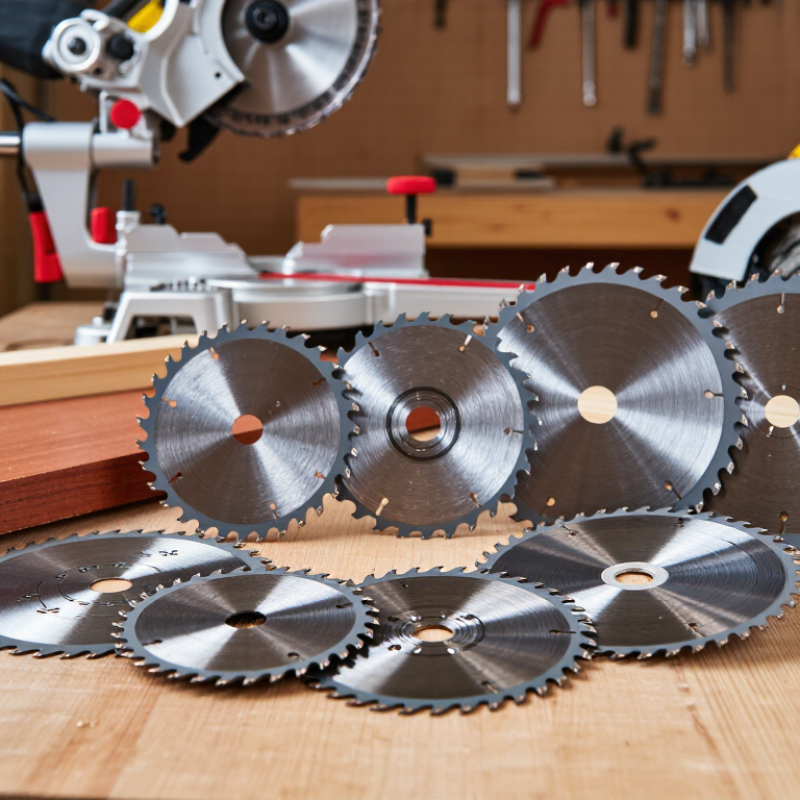
Rip blades use fewer teeth and deeper gullets. They remove material quickly along the grain. Crosscut blades use more teeth and smaller gullets. Their alternating tooth angles produce cleaner cuts across the grain. Combination blades sit between these purposes, although “all-purpose” often means compromise.
For plywood, veneered panels, and laminated boards, choose a high-tooth-count blade with a controlled cutting angle. It reduces splintering on thin surfaces. A thin-kerf blade removes less wood, but it can flex during heavy cuts. The U.S. Forest Service Wood Handbook, FPL-GTR-282 (2021), explains that wood density ranges widely, from very light species to materials above 1.0 g/cm³. Dense timber demands sharper teeth and steadier feeding. The same report notes tangential shrinkage is often about twice radial shrinkage, which can change how boards behave after cutting.
Tips:
Match tooth count to the task, not appearance. Check the blade’s kerf against your saw’s power. Keep the fence aligned. I still sometimes choose a fine blade for speed, then regret the burned edge. Clean resin from teeth regularly. A dull blade is not merely slower; it can force unstable pressure and rough cuts. Inspect the material for hidden fasteners, even when the board looks clean.
How Tooth Count Affects Wood Cutting Performance
What Is the Best Saw Blade for Wood?
How Tooth Count Affects Wood Cutting Performance
Choosing the best saw blade for wood starts with understanding tooth count. Tooth count controls cutting speed, surface quality, and chip removal. A blade with fewer teeth leaves larger gullets between each tooth. These gullets clear sawdust quickly and support faster cutting. The surface may look rougher, though.
A 24-tooth blade often suits ripping thick pine boards along the grain. It removes material quickly and places less strain on the saw. A 60-tooth blade usually performs better on plywood, hardwood trim, and crosscuts. Its smaller gullets produce a cleaner edge but require slower feeding. For general workshop work, a medium-tooth blade can offer a practical compromise.
Tooth count is not the only factor. Tooth shape, blade thickness, rake angle, and saw stability also affect results. I have sometimes chosen a high-tooth blade for a fast cut. That shortcut caused burning and a slower feed. A low-tooth blade can also tear thin veneer when the workpiece lacks support. Testing on scrap wood remains valuable, especially with unfamiliar timber. Watch the cut closely. If the blade burns the edge, reduce feed pressure, check alignment, or select a more suitable tooth pattern. A clean cut should feel controlled, not forced.
Choosing Blade Materials for Different Woodworking Tasks
The best saw blade for wood depends on the material, cut, and working conditions. Carbide-tipped blades suit most furniture, plywood, and framing tasks because carbide keeps its edge longer than plain steel. The USDA Forest Products Laboratory’s Wood Handbook, FPL-GTR-190, explains that density, grain direction, and moisture content affect machining resistance. A dense oak board needs more edge durability than soft pine.
Blade geometry matters just as much.
Use a high tooth count for cleaner crosscuts, especially on veneered panels. Choose fewer, larger teeth for ripping along the grain, where chips need room to escape. For general work, a combination blade can be practical, but it rarely matches a dedicated blade’s finish. High-speed steel blades remain useful for occasional softwood cuts, although they dull faster against hardwood or abrasive sheet goods. Diamond-tipped blades can handle highly abrasive materials, but they are unnecessary for ordinary solid wood.
The Wood Handbook reports that indoor wood commonly reaches about 6–8% moisture content under controlled conditions. That detail matters. Wet or unstable lumber can pinch a blade, burn its kerf, or produce a rough cut. I have found that a sharp carbide blade with the correct tooth count often beats an expensive blade used carelessly. Still, blade choice is not perfectly predictable. Test one offcut first. Check the cut edge, motor load, and sawdust texture before committing to the full board.
Matching Blade Size and Kerf to Your Saw
What Is the Best Saw Blade for Wood?
The best blade depends on your saw, material, and desired cut. Blade size must match the saw’s specifications exactly. A blade that is too large can create dangerous clearance problems. A smaller blade may reduce cutting depth and strain the motor.
For example, a 7 1/4-inch circular saw commonly uses blades near that diameter. Check the arbor hole, maximum revolutions per minute, and guard clearance before installing one. Tooth count also matters, but kerf deserves equal attention. Kerf is the width of material removed by each tooth. A thin-kerf blade wastes less wood and often cuts faster. It can suit smaller saws, especially when cutting plywood or dry softwood. However, thin blades may flex during long cuts. That can leave a faintly angled edge. I have seen this happen when pushing too quickly. Patience helps.
Tips: Choose a full-kerf blade for stable, heavy-duty cuts when your saw has enough power. Choose thin kerf for reduced waste and easier feeding. For clean crosscuts, use more teeth. For fast ripping, use fewer teeth with larger gullets. Inspect the blade for resin buildup, bent teeth, or dull edges. A sharp blade should enter the wood without excessive force. Stop if burning, vibration, or wandering appears. Also, remember that “universal” choices are not always ideal. The best match may require a compromise between speed, finish, and control.
What Is the Best Saw Blade for Wood?
Matching blade size and kerf to your saw helps balance cutting capacity, feed speed, waste, and finish quality.
The values represent common woodworking configurations. Always use a blade diameter, arbor size, and maximum kerf approved for your specific saw. Smaller kerfs generally reduce waste and cutting resistance, while higher tooth counts usually produce smoother cuts.
Selecting the Best Blade for Specific Wood Projects
What Is the Best Saw Blade for Wood?
The best saw blade depends on the wood project, not the saw alone. For long cuts along the grain, choose a rip blade with fewer, larger teeth. It removes material quickly and keeps the motor from struggling. For clean cuts across boards, a crosscut blade with more teeth usually leaves a smoother edge. This matters when building shelves, frames, or visible furniture parts.
Plywood and veneered panels need extra care. A fine-tooth blade reduces splintering on their thin surface layers. For general workshop tasks, a combination blade offers a practical compromise between speed and finish quality. Check the blade diameter, arbor size, and maximum speed before installation.
I once used a coarse blade on a laminated panel, expecting to sand away the damage. The chipped edge took longer to repair than the cut itself. That was poor planning.
Tips: Match the tooth count to the material and cut direction. Use a sharp blade; a dull one creates heat, burning, and rough edges. Support both sides of the board to prevent vibration. Test the blade on scrap wood first. A small test can reveal hidden problems. Kerf width also deserves attention, especially when cutting expensive hardwood. Thin-kerf blades waste less material, but they may flex during demanding cuts. No blade is perfect. Select the one that fits the project’s finish, speed, and wood type.