Why Choose the Best Saw Blades for Wood?
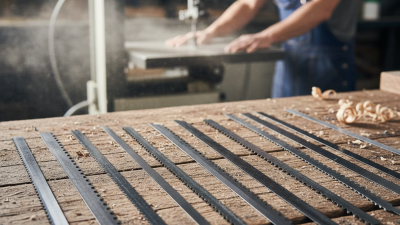
Choosing the right Saw Blades For Wood can change the quality, speed, and safety of every cut. A sharp, suitable blade leaves cleaner edges and reduces strain on the saw. An unsuitable blade may burn timber, tear veneers, or wander across a marked line. The difference is easy to see on a workshop bench.
Blade selection depends on the wood, machine, and desired finish. A coarse-tooth blade removes material quickly from thick construction lumber. A fine-tooth blade produces smoother cuts in plywood, hardwood, and finished boards. Tooth count matters, but it is not the only factor. Kerf width, blade diameter, hook angle, and tooth geometry also affect performance. I have found that a blade praised for cabinet work can feel slow and wasteful on rough framing timber.
Real workshop experience should guide technical claims. Check the saw’s manual, arbor size, maximum diameter, and recommended speed before installation. Confirm that the blade suits the material and cutting direction. Keep the workpiece supported, use eye and hearing protection, and replace blades with damaged or missing teeth. A reliable supplier should publish specifications clearly and avoid exaggerated promises.
No blade performs perfectly in every situation. Even an expensive model can struggle with damp, twisted, or resinous wood. This is where careful testing matters. Compare cut quality, heat, vibration, and longevity on a small offcut first. That simple step may prevent ruined boards and wasted time. The best choice is not always the most expensive blade; it is the one that matches the job honestly.
What Makes a Saw Blade Suitable for Woodworking?
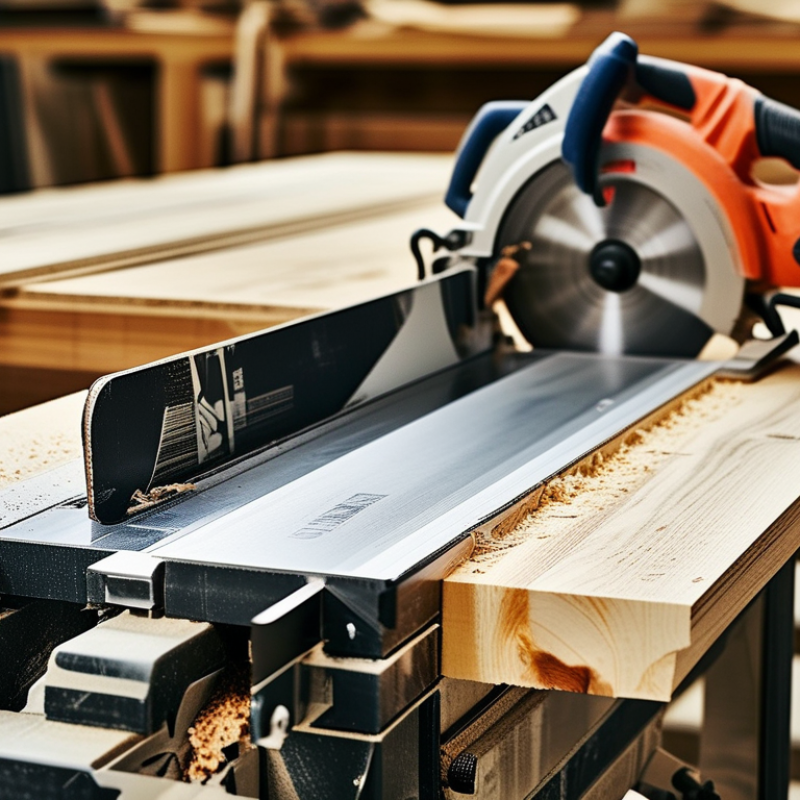
A suitable saw blade for woodworking must match the wood, cut, and machine. In my workshop, I check these details before touching the switch. Soft pine usually cuts well with wider gullets and fewer teeth. Dense hardwood needs more teeth for a cleaner edge. Too many teeth can create heat, though.
Tooth geometry also matters. A flat-top tooth removes material quickly and suits ripping along the grain. An alternating bevel tooth often leaves a smoother crosscut. Blade kerf affects power use and material waste. A thin kerf can help smaller saws, but it may flex during demanding cuts. I once chose a thin blade for thick oak because it seemed efficient. The cut wandered, and the board showed burn marks. That shortcut was wrong.
The blade must also fit the saw’s diameter, arbor, and rated speed. Never rely on appearance alone. Check the manufacturer’s specifications and inspect the teeth for chipped carbide, resin buildup, or uneven wear. A clean blade usually cuts with less pressure. It also reduces splintering around plywood edges. For fine furniture work, I test the blade on scrap wood first. Grain direction, moisture, and support can change the result. Even an excellent blade may perform poorly when the workpiece moves or the fence is misaligned. Small details matter.
Why Choose the Best Saw Blades for Wood? - What Makes a Saw Blade Suitable for Woodworking?
| Blade Feature | Typical Specification | Best Woodworking Application | Why It Matters |
|---|---|---|---|
| Blade Diameter | Common circular-saw sizes include 165 mm, 184 mm, 190 mm, 210 mm, 250 mm, and 305 mm. | Portable saws, table saws, mitre saws, and workshop machines. | The diameter must match the saw's guard, arbor, and maximum cutting depth. A larger blade generally offers greater cutting depth when the machine is designed for it. |
| Tooth Count | Approximately 18–32 teeth for fast ripping, 40–60 teeth for general-purpose work, and 60–100 teeth for fine crosscutting on common circular saws. | Low tooth counts suit long-grain cuts; higher tooth counts suit crosscuts and finish work. | More teeth usually produce a smoother edge but reduce chip clearance and may require a slower feed rate. |
| Tooth Geometry | ATB, alternate top bevel, is widely used for crosscutting; FTG, flat top grind, is effective for ripping and some general-purpose cuts; combination designs mix both patterns. | Solid timber, plywood, MDF, and general joinery. | The grind controls how fibers are severed, affecting cut quality, tear-out, cutting speed, and blade durability. |
| Hook or Rake Angle | Positive hook angles commonly range from about +5° to +20°; lower or negative angles are used where smoother, more controlled cutting is required. | Positive angles for efficient ripping; low or negative angles for mitre saws, sliding saws, and delicate trim work. | A more aggressive hook can increase feed efficiency, while a lower hook can reduce grabbing and improve control. |
| Kerf Width | Full-kerf blades are often about 2.5–3.5 mm wide; thin-kerf blades are commonly about 1.5–2.4 mm wide. | Thin-kerf blades suit lower-powered saws and material-saving cuts; full-kerf blades suit rigid workshop setups. | A narrower kerf removes less material and can reduce motor load, while a wider kerf may provide greater stability. |
| Carbide-Tipped Teeth | Tungsten-carbide tips are commonly brazed to a steel blade body. | Repeated cutting of hardwood, softwood, plywood, laminate, and engineered wood. | Carbide retains its hardness longer than plain steel, allowing extended sharpness and repeated sharpening when properly serviced. |
| Blade Plate Tensioning | Precision-tensioned steel plates are designed to remain flat and stable during rotation. | Long rip cuts, sheet-goods processing, and high-volume workshop use. | A stable plate helps maintain a straight cut, reduce vibration, and improve surface quality. |
| Expansion Slots | Laser-cut or stamped slots and vents are used on many modern blades. | Extended cutting sessions and applications where heat and noise control are important. | Slots allow controlled thermal expansion and can help reduce warping, vibration, and operating noise. |
| Material Compatibility | Blade packaging should specifically identify suitability for solid wood, plywood, MDF, OSB, laminate, or other engineered boards. | Selecting a blade for the exact material being cut. | Adhesives, coatings, and abrasive particles in engineered wood can require different tooth geometry and carbide grades than clean solid timber. |
| Maximum RPM Rating | The blade's maximum revolutions per minute must be equal to or greater than the saw's no-load speed. | All powered saw applications. | Correct speed compatibility is essential for safe operation, blade stability, and proper cutting performance. |
| Arbor or Bore Size | Common arbor sizes include 15 mm, 16 mm, 20 mm, 25.4 mm, and 30 mm, depending on the saw. | Any circular saw requiring a replacement blade. | The bore must fit the arbor correctly; an incompatible fit can cause runout, vibration, or unsafe operation. |
| Safety and Maintenance | Inspect for damaged teeth, resin buildup, cracks, warping, and excessive dullness; clean and sharpen according to the blade design. | Professional workshops, construction sites, and home woodworking. | A clean, sharp, correctly installed blade improves cut quality and reduces feed force, overheating, and kickback risk. |
Selection note: Always verify the blade diameter, arbor size, maximum RPM, kerf, and recommended material against the saw manufacturer's specifications before use.
Related Posts
-
Exploring the Future of Metal Cutting Technologies and Advantages of Best Metal Saw Blades in 2025
-

How to Choose the Right Saw Blades for Your Cutting Needs
-

Navigating Import Export Certifications for Best Hole Saws in Stainless Steel Markets
-
2026 Best Metal Cutting Blade Options for Global Buyers?
-
Comprehensive Technical Specifications for Choosing the Right Drill Bit Set: A Step-by-Step Guide
-
Top 10 Bandsaw Blades for Precision Cutting What to Choose?