What Is a Metal Enamel Pin Badge?

A Metal Enamel Pin Badge is a small object with surprising visual power. It combines stamped metal, recessed color, and a polished surface. The result can resemble a miniature sign, logo, mascot, or wearable illustration. Hard enamel creates a smooth, jewelry-like finish. Soft enamel leaves raised metal lines and a textured feel. That difference affects appearance, durability, and production cost.

The market context is also worth examining. The Advertising Specialty Institute’s 2023 Ad Impressions Study found that recipients keep promotional products for about nine months on average. Repeated visibility can make a well-designed badge more memorable than a short digital advertisement. PPAI research also emphasizes usefulness, quality, and emotional relevance as important promotional-product factors. These findings do not measure enamel badges alone. That limitation matters. Still, they explain why brands, museums, clubs, and event organizers continue using compact physical merchandise.

David Kime, a custom-pin industry specialist at WizardPins, describes enamel pins as “small, wearable pieces of art.” The phrase is simple. It also captures the main design challenge. A badge must look attractive from a short distance, yet remain clear when viewed closely. Strong line weight, controlled color areas, and reliable backing hardware all matter. A beautiful artwork can fail as a badge if its details are too fine. Manufacturing quality can vary, too. Buyers should review metal thickness, plating, enamel depth, attachment security, and sample approval before ordering. This guide examines what a Metal Enamel Pin Badge is, how it is produced, and where its practical value begins—and sometimes ends.
What Is a Metal Enamel Pin Badge?

Definition and Basic Structure of a Metal Enamel Pin Badge

What Is a Metal Enamel Pin Badge?

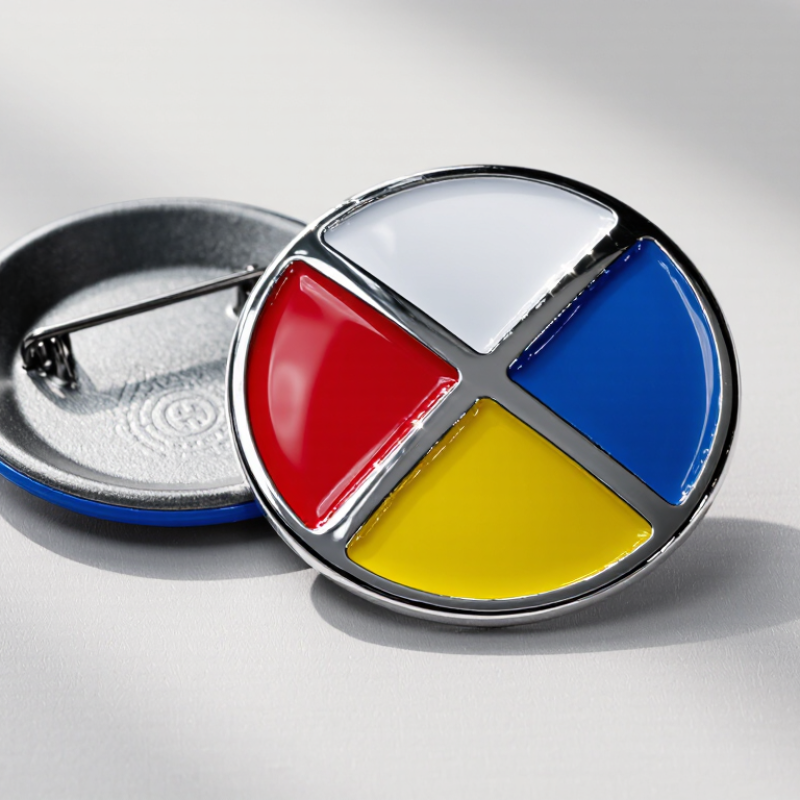
A metal enamel pin badge is a small decorative item built from shaped metal and colored enamel. Its basic structure starts with a metal base, commonly formed through stamping or casting. The front surface contains recessed color areas, while raised metal lines separate each section. These lines create the badge’s outline and prevent adjacent colors from blending. The back usually includes one or more posts with clutch fasteners. Simple, but functional.

The metal base provides strength and visual definition. Common finishes include polished, matte, antique, or colored plating. Enamel fills the recessed cells and hardens into a smooth or slightly textured surface. Hard enamel is polished nearly level with the metal borders. Soft enamel sits lower and leaves a noticeable texture. That difference changes both appearance and touch. A well-made badge should have clean edges, even filling, and a secure post. Small flaws still matter: pinholes, uneven plating, or loose clutches can reduce confidence.

In a practical quality check, I examine the border under direct light and test the fastener by hand. A tiny misalignment may be harmless, yet it can make the design feel less precise. I also avoid treating “enamel pin” as one fixed technical term. Manufacturers may describe finishes differently, so specifications should name the metal, enamel type, size, and attachment method. That detail makes the badge easier to compare and more reliable to order.

What Is a Metal Enamel Pin Badge?

A metal enamel pin badge is a small decorative badge made from a metal base with raised metal outlines and colored enamel sections. Its basic structure usually includes the metal body, recessed or raised enamel areas, a protective finish, and a fastening post on the back.

Chart explanation: The chart compares common circular pin badge diameters and their approximate front-face areas. The areas are calculated using the circle formula πr², helping show how the badge size affects the available space for metal outlines and enamel color sections.

Materials Used in Metal Enamel Pin Badge Production

What Is a Metal Enamel Pin Badge?

Materials Used in Metal Enamel Pin Badge Production

A metal enamel pin badge combines a shaped metal base with colored enamel. Common base metals include zinc alloy, iron, brass, and stainless steel. Zinc alloy supports detailed die-casting and rounded edges. According to the U.S. Geological Survey’s Mineral Commodity Summaries 2024, global zinc mine production reached about 12 million metric tons in 2023. This large supply helps explain zinc alloy’s frequent use in small decorative products.

Iron offers strength and a lower material cost. Brass provides a warmer color and a heavier hand feel. Stainless steel resists corrosion, although it can require more demanding machining. Manufacturers usually add nickel, gold-tone, silver-tone, or black finishes through surface plating. The final appearance depends on polishing, plating thickness, and handling quality.

Enamel is a glass-based material mixed with mineral pigments. Hard enamel is fired and polished until it becomes level with the metal border. Soft enamel leaves recessed color areas and often feels slightly textured. Both types need clean metal channels. Tiny dust particles can cause pinholes, uneven color, or weak adhesion.

The World Bank’s Commodity Markets Outlook 2024 shows that metal prices remain sensitive to energy costs and supply changes. Therefore, material selection affects both appearance and production stability. I would not call every zinc alloy sustainable. Recycling systems, plating chemistry, and factory waste matter too. A beautiful badge can still hide avoidable material loss. Specifications should be checked, not assumed.

What Is a Metal Enamel Pin Badge? - Materials Used in Metal Enamel Pin Badge Production

Production Element Common Material or Option Key Characteristics Typical Use in Pin Badges Important Considerations
Base metal Iron Strong, widely available, and generally economical. It provides a stable foundation for raised metal outlines and enamel-filled areas. Suitable for general-purpose soft-enamel and hard-enamel pin badges. Iron can rust if its protective plating or coating is damaged, so surface protection is important.
Base metal Zinc alloy Can be cast into detailed shapes and complex three-dimensional forms. It is commonly used when a molded design is required. Useful for shaped badges, relief details, and designs with curved or sculpted surfaces. Fine details depend on the casting process and mold quality. The final weight varies with the design.
Base metal Brass A copper-zinc alloy with good machinability and a naturally warm golden appearance before plating. Often selected for polished, antique, or premium-looking metal borders and details. Its appearance changes depending on polishing, plating, or antiquing treatment.
Base metal Copper Ductile and easy to form, with a distinctive reddish-brown color. It can support fine etched or stamped details. Appropriate for badges that use exposed metal, engraved lines, or an aged copper appearance. Uncoated copper naturally develops a patina over time when exposed to air and moisture.
Base metal Stainless steel Resistant to corrosion and capable of producing a clean, modern metallic finish. Useful for durable badges intended for regular handling or humid environments. It is harder to machine than softer metals and may require suitable tooling for precise details.
Enamel filling Soft enamel Colored enamel is filled into recessed areas and usually remains slightly lower than the surrounding metal lines. Commonly used for colorful designs with visible texture and defined metal borders. The recessed surface can collect dust more easily than a smooth, level finish.
Enamel filling Hard enamel Enamel is polished level with the metal surface, creating a smooth and glass-like finish. Suitable for designs requiring a refined, flat, and durable appearance. Small color areas and narrow metal separators require careful production control.
Color material Glass-based vitreous enamel Made from powdered glass that is fused to the metal through high-temperature firing. It produces strong color stability and a smooth surface after polishing. Typically associated with hard-enamel-style badges. High-temperature processing limits the suitability of some delicate base materials and construction details.
Color material Resin-based enamel Uses a synthetic resin color system that can provide vivid colors and a slightly softer or more textured finish. Frequently used for soft-enamel-style badges and designs with recessed color fields. Long-term performance depends on the resin formulation, curing process, and exposure to heat or chemicals.
Surface finish Nickel plating Creates a bright silver-colored surface and helps provide a uniform decorative finish. Used for polished borders, raised lines, and exposed metal areas. People with nickel sensitivity may require a nickel-free surface solution.
Surface finish Gold-colored plating Provides a warm yellow metallic appearance over the base metal. Used when a decorative gold-tone border or raised detail is desired. The visual result depends on the plating layer, polishing, and any protective clear coating.
Surface finish Black or antique finish Darkens recessed areas or the entire metal surface to emphasize relief and create a vintage appearance. Suitable for historical, industrial, outdoor, or distressed visual themes. Color variation may occur because the finish interacts differently with polished and recessed areas.
Protective coating Clear epoxy dome A transparent resin layer that adds gloss and creates a raised protective surface over printed or colored artwork. Used when additional protection, shine, or a domed visual effect is needed. It can change the perceived color and may yellow or scratch depending on the resin and exposure conditions.
Attachment component Metal clutch A small locking or friction-based fastener that secures the badge post to clothing, bags, or fabric accessories. Common for standard pin badges with one or more rear posts. The attachment should match the post diameter and provide enough holding force for the badge weight.
Attachment component Rubber clutch A flexible stopper that grips the metal post and is easy to remove by hand. Useful for lightweight badges and applications requiring frequent attachment changes. Rubber can wear, loosen, or harden over time depending on material quality and environmental exposure.
Rear covering Protective coating or polished metal back The back may remain plated and polished or receive a coating to reduce contact with moisture and skin. Used to improve appearance, corrosion resistance, and handling comfort. The rear treatment should be compatible with the base metal and attachment method.
Typical size range Approximately 20–50 mm in the longest dimension This range is commonly practical for displaying logos, illustrations, symbols, and short text while remaining wearable. Suitable for jackets, uniforms, backpacks, hats, and fabric accessories. Actual size should be selected according to design detail, weight, number of posts, and intended placement.
Design structure Raised metal lines and recessed color areas Metal borders separate adjacent enamel colors and define the artwork during filling and curing. Used in both soft-enamel and hard-enamel badge construction. Very narrow lines or extremely small color sections may be difficult to reproduce consistently.

How Metal Enamel Pin Badges Are Designed and Made

What Is a Metal Enamel Pin Badge?

Metal enamel pin badges are small accessories made from shaped metal and colored enamel. Their quality begins with a clear, production-ready design. Fine details can disappear when the artwork becomes a metal mold. Designers therefore use strong outlines and simple color areas. Each section needs a raised metal border to hold the enamel securely. This structure also creates the badge’s distinctive texture.

How Metal Enamel Pin Badges Are Designed and Made

The process usually starts with digital artwork and a review of its size, line thickness, and color count. A metal die is then created from the approved design. The die presses the image into a metal sheet or casting material. Edges are trimmed, cleaned, and plated with a selected finish. Enamel is carefully placed inside each recessed color area. Soft enamel leaves a textured surface, while hard enamel is polished flatter. Heat curing helps the color set. Quality checks should examine scratches, uneven filling, sharp edges, and loose fittings.

Small samples reveal problems early. A color that looks balanced on screen may appear too dark after curing. Tiny lettering often seems attractive but performs poorly at badge size. I have found that removing one decorative detail can improve the whole design. It feels disappointing, but clear artwork usually produces a more reliable badge. Final inspection should include the front surface, metal finish, pin attachment, and backing security. The process is precise, though not perfectly predictable.

Main Types of Enamel Finishes and Pin Backings

A metal enamel pin badge is a small metal emblem with recessed areas filled with colored enamel. Its appearance depends heavily on the enamel finish and pin backing. These choices affect texture, durability, cost, and daily comfort.

Hard enamel is polished until the metal and color sit on one smooth plane. It feels like glass and suits fine lines, clean lettering, and formal designs. Soft enamel leaves the metal outlines raised. Its recessed color creates visible texture and stronger shadows. Soft enamel usually costs less, but dust can collect in the lower areas. A 2024 market analysis from Grand View Research identifies customization and decorative detail as major growth drivers in the global accessories sector. That trend helps explain soft enamel’s popularity, although market reports rarely separate finishes clearly. The distinction is useful, though not perfect.

Backing choice changes how a badge behaves on fabric. Butterfly clutches are compact and familiar, but they can press into thin clothing. Rubber clutches feel gentler and resist some slipping. Magnetic backings avoid puncturing garments, yet they need careful strength testing. Safety-pin backings suit larger fabric pieces, though they look less polished. The 2023 Promotional Products Association International sales report valued the promotional products market at over 25 billion dollars in the United States. This scale supports consistent production standards, but it does not guarantee every pin is well made. In practical inspections, check the plating, edge smoothness, post alignment, and clutch grip. Tiny flaws matter.

Common Uses, Benefits, and Care of Enamel Pin Badges

What Is a Metal Enamel Pin Badge?

A metal enamel pin badge combines a shaped metal base with colored enamel. Hard enamel creates a smooth, polished surface. Soft enamel leaves recessed lines and a textured finish. Makers commonly use these badges for uniforms, community events, creative collections, and personal identity. Their small size makes them easy to attach to jackets, canvas bags, hats, or display boards.

The benefits are practical, not only decorative. A well-made pin can communicate membership without requiring a large logo or printed message. PPAI’s 2023 Consumer Study reported that 88% of consumers remembered an advertiser shown on a promotional product. It also found that 83% enjoyed receiving promotional items. These figures describe promotional products broadly, not enamel pins alone. Still, they suggest that useful, wearable objects can support lasting recognition. I have seen attractive pins ignored when the clutch was weak or the message felt unclear. Design quality matters.

Tips: Choose a secure rubber or locking clutch for daily wear. Keep pins away from water, perfume, and rough metal surfaces. Wipe the badge with a soft, dry cloth. Do not use abrasive cleaners. Store each piece in a small fabric pouch to reduce scratches. Check the post occasionally. A loose post can ruin an otherwise durable badge. ASI’s 2023 Ad Impressions Study also supports the value of repeated visibility from wearable promotional products, although it does not isolate enamel badges.