What is Water Pump Casing and Its Importance?
In the realm of fluid mechanics, the term "water pump casing" is pivotal. Dr. Jane Roberts, a prominent engineer in the water systems industry, once remarked, "The casing is essential for the efficiency and durability of any water pump." This statement underscores the casing's role in ensuring optimal performance while preventing failures.
water pump casings serve multiple functions. They contain and direct water flow while also shielding the pump from external elements. A well-designed casing ensures minimal energy loss during operation. However, poor materials or designs can lead to significant setbacks. Cracks or corrosion may occur, compromising the entire system's integrity.
Despite its importance, many overlook the casing's significance during maintenance. Awareness of the casing's role can lead to better practices and longer-lasting equipment. Reflecting on these aspects helps us recognize the impact of water pump casings in various applications, from residential to industrial settings. We must prioritize quality and design in these components to enhance efficiency and reliability.
What is Water Pump Casing?
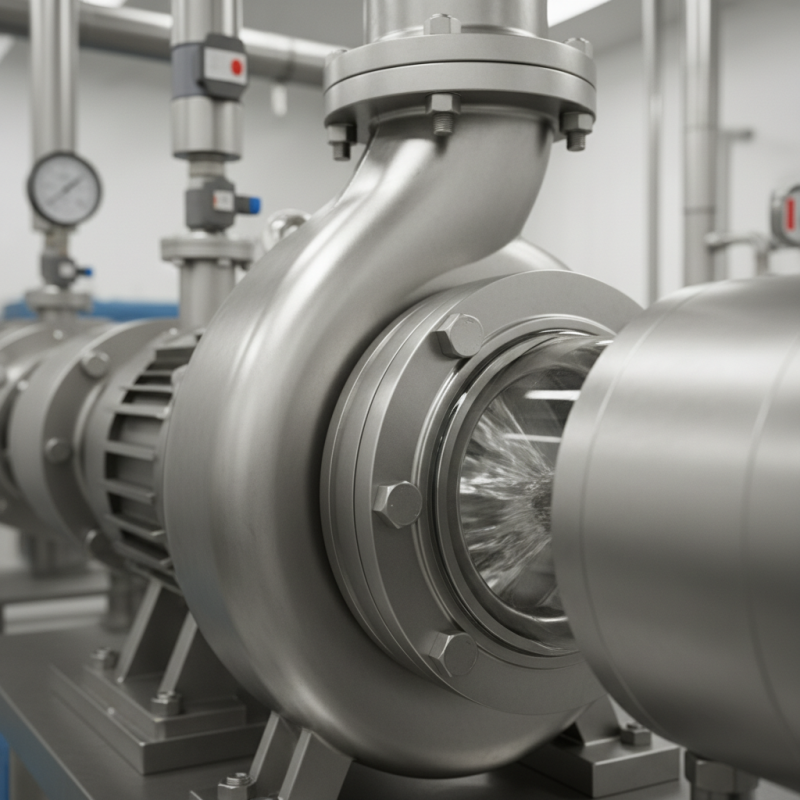
Water pump casing is a crucial component in hydraulic systems. It houses the rotating parts and secures the water within the pump. This casing comes in various shapes and sizes, depending on the pump's design. It's typically made from durable materials like cast iron or stainless steel. These materials withstand high pressure and resist corrosion.
The main role of the water pump casing is to provide structural integrity. Without it, the pump would fail to function efficiently. Any cracks or defects in the casing can lead to leaks. This may result in loss of efficiency and higher operational costs. Maintenance is vital. Regular checks on the casing can help identify potential issues before they escalate.
In practical terms, a well-functioning casing prevents water contamination. Any breach could introduce unwanted debris into the system. That's a serious concern for many industries. The importance of reliable water pump casing cannot be overstated. Yet, many overlook its significance until problems arise. Understanding this component can lead to better performance and longevity of hydraulic systems.
What is Water Pump Casing and Its Importance?
| Dimension | Details |
| Material | Cast Iron / Stainless Steel / Plastic |
| Function | Encloses and supports the pump components |
| Importance | Protects internal parts and improves efficiency |
| Common Issues | Corrosion, cracks, leaks |
| Maintenance Tips | Regular inspection and cleaning |
| Replacement Signs | Visible damage, performance drop |
Key Components of Water Pump Casing
Water pump casing plays a crucial role in the overall efficiency of a pump system. It houses key components and protects them from external damage. The casing typically consists of materials that resist corrosion and wear. This is vital because water, especially when mixed with various elements, can be quite abrasive. Proper casing ensures longevity and optimal performance.
One of the primary components of water pump casing is the impeller. This part rotates to move water into and through the pump. Its design influences the flow rate and pressure generated. Another important element is the volute, which helps guide the flow of water from the impeller to the discharge pipe. The alignment and fit of the volute must be precise. Any errors can lead to inefficiencies.
Seals and bearings within the casing also play a significant role. They minimize leaks and support the rotating components. However, these parts can wear out over time, necessitating regular inspection. Ignoring this can lead to severe problems, including pump failure. Achieving the perfect balance between durability and efficiency in water pump casings is a challenging task. Regular maintenance and evaluation of these components should not be overlooked.
Water Pump Casing Material Comparison
Functions and Benefits of Water Pump Casing
Water pump casings are essential components in the world of fluid transfer. They provide a protective shell for the pump, which is crucial for its operation. These casings serve several important functions, including safeguarding the internal components from damage and ensuring efficient performance.
One key benefit of a water pump casing is its ability to withstand high pressure. A robust casing prevents leaks and maintains the integrity of the pump. Without it, the risk of breakdown increases. In addition, a well-designed casing helps reduce noise during operation. This is particularly valuable in residential areas or quiet environments.
Tips: Regular maintenance of the casing can enhance its lifespan. Check for cracks or wear regularly. If you notice any damage, consider replacing the casing to avoid bigger problems. An ounce of prevention can save a lot of trouble later on.
Another advantage of water pump casings is their role in
heat dissipation. Properly designed casings can help in cooling the pump, thereby improving efficiency. A casing that does not allow for adequate airflow can lead to
overheating and can compromise the system's effectiveness. Sometimes, a decision to
cut costs on materials can backfire. Reflect on the long-term implications of such choices.
Common Materials Used in Water Pump Casing
Water pump casings are critical components in the water management industry. They provide the necessary support and protection for the internal mechanisms of the pump. The materials chosen for these casings significantly impact the pump's efficiency and longevity. Common materials include cast iron, stainless steel, and composite materials. Each of these options has its unique benefits and drawbacks.
Cast iron is often selected due to its strength. It can withstand high pressure and is relatively cost-effective. However, it is also prone to corrosion over time when exposed to water. Stainless steel, on the other hand, offers superior resistance to corrosion, making it suitable for harsher environments. Industry reports show that nearly 40% of water pumps use stainless steel casings, highlighting its popularity. Composite materials are gaining traction. They are lightweight and resistant to many chemicals. Yet, they may lack the durability needed for high-pressure applications.
The choice of material influences pump performance. For example, using cast iron in corrosive environments may lead to failures. Industry data suggests that improper material selection can reduce pump lifespan by up to 30%. This underlines the importance of choosing the right material based on the specific application needs. Balancing cost, durability, and performance remains a challenge for many in the industry.
Maintenance and Inspection of Water Pump Casing
Water pump casing plays a critical role in overall pump efficiency. Regular maintenance is key to extending its life. Look for signs of corrosion or cracks regularly. A small issue can lead to bigger problems if left unchecked.
Inspect the sealing joints frequently. Poor seals can cause leaks, wasting energy and water. Make sure to keep the area around the pump clean. Debris can interfere with the casing and cause malfunctions.
**Tips:** Always maintain proper alignment to avoid undue stress on the casing. Use protective coatings to fend off rust. Regular checks can prevent costly repairs down the line. Remember, ignoring small issues often leads to major headaches later. Be proactive with your inspections.