Top Brass Die Casting Suppliers in China for Global Buyers?
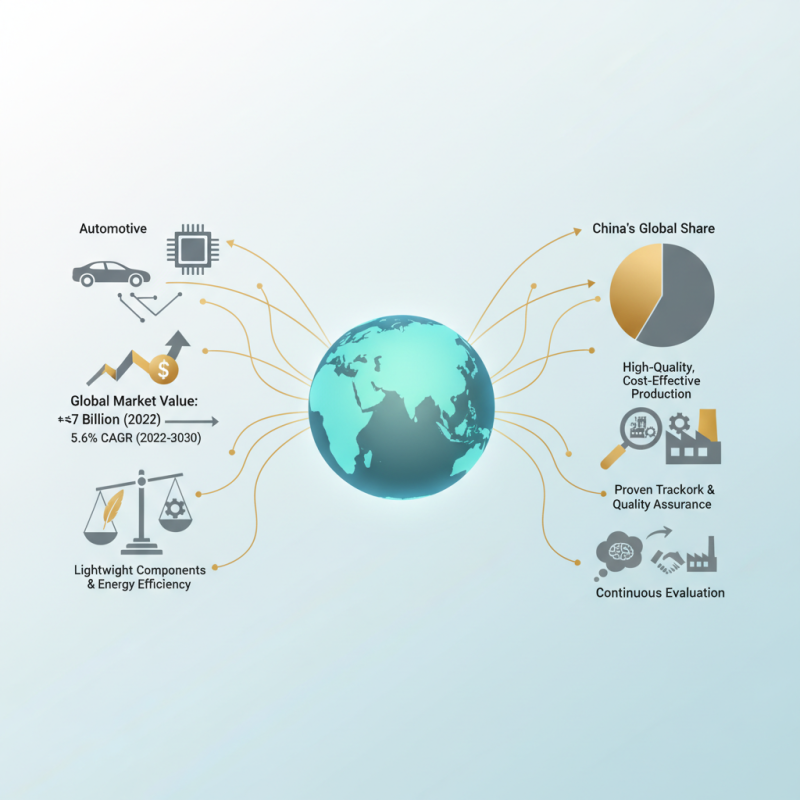
Brass Die Casting has emerged as a pivotal manufacturing process, particularly in sectors such as automotive and electronics. The global brass die casting market was valued at approximately $7 billion in 2022, projected to grow at a CAGR of 5.6% through 2030. This growth is fueled by increasing demand for lightweight components that minimize energy consumption.
China has become a hub for brass die casting suppliers, attracting global buyers seeking high-quality, cost-effective products. A recent study revealed that nearly 40% of global brass die casting is produced in China, showcasing the country’s dominance in this sector. However, not all suppliers meet the same standards. Buyers must carefully evaluate their options, as the variability in quality can affect project outcomes significantly.
Choosing the right supplier is crucial. The importance of experience and expertise cannot be overstated. Buyers should look for suppliers with a proven track record and strong quality assurance processes. As the market evolves, continuous reflection on supplier capabilities is essential for ensuring reliability in brass die casting projects.
Top Die Casting Companies in China: An Overview of the Market Landscape
The die casting industry in China has seen remarkable growth over the last decade. According to recent market reports, the sector is projected to reach $30 billion by 2025, driven by increasing demand from various industries, including automotive and electronics. In 2022, China accounted for approximately 45% of the global die casting market. This dominance reflects not just volume but also the advancement in technology and techniques employed by local manufacturers.
Top companies in this landscape leverage modern machinery and skilled labor to maintain quality. The shift towards automation is notable. Many factories are investing in robotic arms and advanced casting technologies. This investment improves precision and reduces errors, but there remains a disparity among smaller players who struggle with outdated practices. The challenge is balancing modernization with cost-effectiveness for all manufacturers.
Quality control in die casting is paramount. A report indicated that about 20% of produced parts fail quality tests due to defects. Companies must constantly adapt their processes to enhance reliability. Despite advancements, the industry still faces hurdles, such as fluctuating raw material costs and environmental regulations. This landscape continues to evolve, presenting both challenges and opportunities for global buyers.
Key Industry Data: China's Die Casting Production and Export Statistics
China has become a major player in the global die casting industry. Recent statistics show that China's die casting production has steadily increased over the years. In 2022, the country produced millions of tons of die cast parts, significantly contributing to both domestic and international markets. The export figures are equally impressive, with substantial shipments going to various countries, making China a key supplier for global buyers.
Understanding this landscape is essential for businesses seeking to source die casting products. The local industry boasts advanced technology and skilled labor. However, navigating the supply chain can be challenging. Buyers should carefully evaluate their potential suppliers. Checking certifications and production capabilities is crucial to ensure reliability.
Tips: Establish clear communication channels with suppliers. Timely updates can prevent misunderstandings. Additionally, consider visiting the factories if possible. Seeing operations firsthand can provide valuable insights. Be cautious with pricing; significantly low quotes might be a red flag. Building a solid partnership is more important than chasing the lowest cost.
Factors Driving the Growth of Die Casting Suppliers in China
The global die casting market is witnessing significant growth, particularly in China. A recent industry report indicated that the market is expected to reach $34.1 billion by 2025, driven by rising demand in automotive, aerospace, and consumer electronics sectors. China stands out as a major player due to its vast manufacturing capabilities and skilled workforce.
Several factors contribute to this growth. The advent of advanced technologies, such as automated die casting, enhances production efficiency. Moreover, the increasing use of light metals, like aluminum and magnesium, makes die casting more attractive. For instance, the use of aluminum in automotive applications can reduce vehicle weight by up to 30%, improving fuel efficiency. Sustainability trends also drive demand, as lightweight components lead to lower emissions.
Yet, challenges remain. The industry faces issues like fluctuating raw material prices and increasing environmental regulations. Companies must adapt by embracing sustainable practices. Investing in research and development can foster innovation, ensuring competitiveness. A proactive approach is vital for suppliers to thrive in this evolving market landscape.
Top Brass Die Casting Suppliers in China for Global Buyers
| Supplier Type | Production Capacity (tons/year) | Export Markets | Average Lead Time (weeks) | Key Industries Served |
| Aluminum Die Casting | 5000 | North America, Europe | 6 | Automotive, Electronics |
| Zinc Die Casting | 3000 | Asia, South America | 4 | Consumer Goods, Hardware |
| Magnesium Die Casting | 2000 | Europe, North America | 8 | Aerospace, Defense |
| Custom Die Casting | 7500 | Middle East, Africa | 5 | Construction, Medical Devices |
Comparative Analysis of Global vs. Chinese Die Casting Quality and Cost
Die casting is crucial for many industries today. A comparative analysis reveals notable differences in quality and cost between global suppliers and Chinese manufacturers. According to a recent industry report, Chinese die casting services can offer up to 30% cost savings compared to Western counterparts. This cost efficiency is driven by lower labor and material expenses in China.
However, quality remains a significant concern. A study from the International Die Casting Association noted that while many Chinese suppliers can produce high-quality parts, inconsistencies exist. Some manufacturers struggle with precision and surface finish, which are critical for certain applications. In contrast, established global suppliers often maintain stringent quality control measures, ensuring better consistency and reliability.
Buyers need to assess their specific needs carefully. The choice between cost savings and guaranteed quality is a balancing act. Investing in higher quality from global suppliers could result in fewer defects and reduced long-term costs. Ultimately, it’s crucial for buyers to analyze both options thoroughly, considering potential challenges with Chinese suppliers. Quantifying these trade-offs will lead to more informed decisions in sourcing die casting services.
Comparative Analysis of Die Casting Quality and Cost
This chart illustrates the comparative analysis of die casting quality ratings and cost per unit between Chinese suppliers and global suppliers. Quality is rated out of 100, while cost per unit is shown in USD. Chinese suppliers offer competitive quality at a lower cost point compared to their global counterparts.
Future Trends in Die Casting: Innovations and Sustainability in China
The die casting industry in China continues to evolve. Innovations focus on improving efficiency and sustainability. Manufacturers are embracing advanced technologies like 3D printing and automation. These changes aim to reduce waste and enhance product quality.
Sustainability is becoming a key priority. Companies are seeking eco-friendly materials and processes. This shift not only meets regulatory demands but also appeals to conscious consumers. Using recyclable materials can minimize environmental impact significantly.
Tips: Consider collaborating with suppliers who prioritize sustainability. Invest in machinery that reduces energy consumption. Regular audits can help streamline operations and identify areas for improvement. Innovating while being eco-friendly may not be easy, but it paves the way for a better industry future.