Top 10 Pipe Coupling Types You Need to Know for Your Projects?
In the realm of plumbing and industrial applications, understanding various Pipe Coupling Types is crucial for project success. According to the Global Pipe Couplings Market Report by Industry Research, the market is projected to reach $3 billion by 2025, reflecting the increasing demand for efficient piping solutions. Industry expert Dr. John Nakamura emphasizes that "the right coupling type can significantly influence the durability and performance of pipe systems."
Choosing the ideal pipe coupling affects not only safety but also project timelines. Different materials and designs cater to specific needs, such as pressure resistance or flexibility. A one-size-fits-all approach may result in inefficiencies and unexpected costs. Reports indicate that incorrect coupling choices are a leading cause of leakages and failures in piping systems.
Exploring the top ten pipe coupling types can enhance your network of connections. Understanding their unique attributes allows engineers and contractors to make informed decisions. However, many still overlook the significance of coupling selection, potentially jeopardizing their projects. Recognizing where improvements can be made is essential for long-term success in the industry.
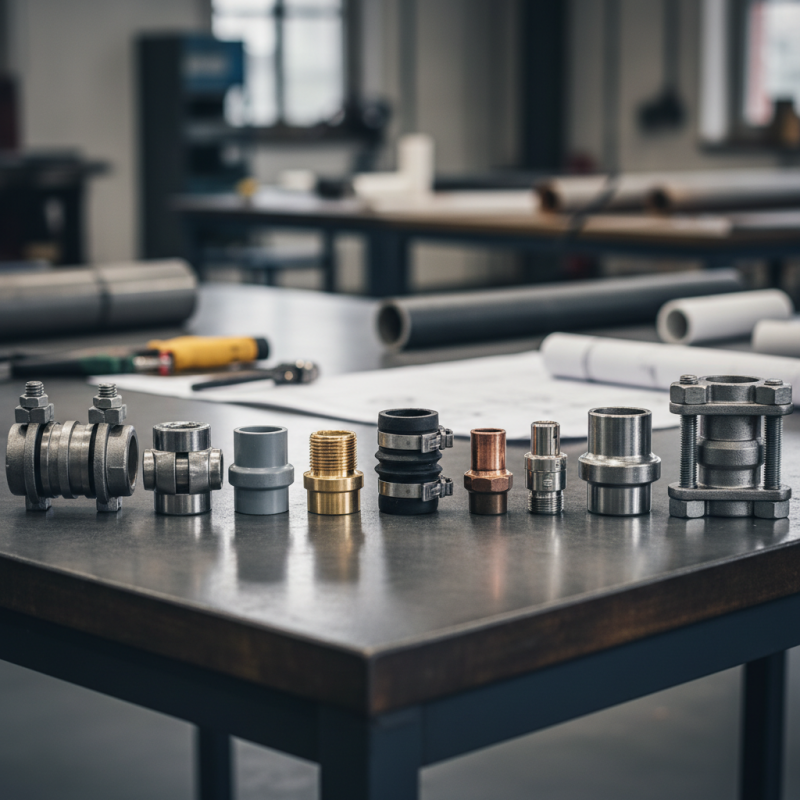
Types of Pipe Couplings: An Overview of Essential Applications
When working on pipe systems, understanding different coupling types is essential. Couplings are crucial for connecting pipes securely. They come in various forms, each tailored for specific applications. Some common types include mechanical, threaded, and flange couplings. Each serves a unique purpose in construction or plumbing projects.
Mechanical couplings are designed for flexibility. They allow for movement in pipe systems, which can be essential in certain environments. On the other hand, threaded couplings offer a solid, permanent connection. However, improper installation can lead to leaks or failures. Flange couplings are often used in larger systems, providing easy access for maintenance. Yet, they can be bulky and may not suit all spaces.
Choosing the right coupling involves careful consideration. Projects may demand specific materials or designs to meet industry standards. Mistakes in selection can lead to significant setbacks. Each option has pros and cons, and understanding these is vital. Research and consultation can improve decision-making in complex projects.
Understanding the Functionality of Rigid vs. Flexible Pipe Couplings
When examining pipe couplings, understanding the difference between rigid and flexible types is crucial. Rigid couplings provide a secure and stable connection between pipes. They effectively transfer loads and align the piping system. Common materials for rigid couplings include metal and hard plastics. In high-pressure applications, they can be beneficial, ensuring minimal movement between pipes. Reports indicate that nearly 65% of industrial piping installations utilize rigid couplings due to their durability.
On the flip side, flexible couplings allow for movement and adjustments. They can absorb vibrations and thermal expansions, making them ideal for dynamic systems. According to industry data, about 30% of engineering projects prefer flexible couplings for applications susceptible to temperature fluctuations. Issues can arise, though. Over time, flexible couplings may wear out more quickly in high-stress environments. Choosing the appropriate type often involves balancing strength and flexibility, which can be tricky.
Engineers face challenges in selecting the right coupling type for their projects. Inconsistent training and limited resources can lead to poor decision-making. Thus, relying on detailed material specifications and past project data is essential. Engaging with experienced professionals adds valuable insight and mitigates risks in coupling choices.
Key Considerations for Choosing Between Mechanical and Welded Couplings
When selecting between mechanical and welded pipe couplings, understanding their differences is critical. Mechanical couplings are often easier to install and can be disassembled for repairs. According to industry experts, this flexibility can save time and costs in many projects. In contrast, welded couplings provide a stronger, more permanent connection. They are ideal for high-pressure applications where reliability is non-negotiable.
A study by the American Society of Mechanical Engineers indicates that mechanical couplings can handle up to 50% less pressure than welded connections. This difference can significantly impact your choice, especially in demanding environments. Take into account the project’s requirements before making a decision. Every situation may require a unique solution.
**Tips:** Always check compatibility with pipe materials before finalizing your coupling choice. Look for data from reputable sources to inform your decisions. Plan for potential maintenance issues, as accessibility for repairs varies greatly between these coupling types. Understanding these factors will mitigate risks in your projects.
Exploring the Benefits of Ductile Iron and PVC Coupling Materials
Ductile iron and PVC are widely recognized for their specific advantages in pipe coupling applications. Ductile iron offers excellent mechanical properties. It can withstand high pressures and is highly durable, with a tensile strength that can exceed 60,000 PSI. This makes it a favorite in industries requiring robust materials. According to a report from the American Society of Mechanical Engineers, ductile iron couplings can last over 50 years in challenging environments.
On the other hand, PVC coupling materials present unique benefits. They are lightweight, making installation easier and faster. PVC is also resistant to corrosion and chemicals, which helps in maintaining system integrity over time. Interestingly, a study by the Plastics Pipe Institute revealed that PVC pipes can potentially reduce greenhouse gas emissions during their lifecycle by up to 68% compared to other materials. This fact underscores the environmental benefits of PVC.
However, choices between these materials are not always clear-cut. While ductile iron can be more expensive upfront, its longevity might justify the cost. Conversely, the lower initial investment for PVC might not suit all high-pressure applications. Evaluating the specific needs of your project is essential. Each material has its pros and cons. Understanding these nuances is vital for making informed decisions.
Industry Standards and Regulations Governing Pipe Coupling Use
When working with pipe couplings, it's crucial to adhere to industry standards and regulations. These guidelines ensure safety, compatibility, and longevity of your piping systems. The American Society of Mechanical Engineers (ASME) and the American National Standards Institute (ANSI) set the framework for many coupling types. Compliance is not just a suggestion; it is essential for successful project completion.
Knowing the specific regulations can greatly affect project outcomes. Standards like ASTM define material specifications for couplings. These materials must withstand environmental factors and pressures. However, many professionals overlook these details, leading to possible system failures. Familiarize yourself with these regulations to avoid costly mistakes.
Tips for Compliance: Regularly review updates to standards. Attend workshops to stay informed. Engaging with industry professionals can provide insights. Connecting with experts builds your reliability in the field. Emphasizing strong communication with suppliers can help ensure compliance from the start. This proactive approach can streamline your projects and enhance safety measures.