China Top 10 Metal Hole Cutter Manufacturers?

Choosing a reliable Metal Hole Cutter manufacturer in China requires more than comparing product photos and prices. Buyers must examine cutting performance, material quality, production experience, and after-sales support. This guide introduces China’s top 10 Metal Hole Cutter manufacturers through practical selection criteria and market-focused research.

The evaluation considers carbide grades, bi-metal construction, tooth design, shank compatibility, and cutting depth. It also reviews factory capabilities, quality control procedures, customization services, and export experience. A dependable manufacturer should provide consistent dimensions, clean cutting edges, and stable performance across materials such as steel, stainless steel, aluminum, wood, and plastic. Product testing records can reveal more than attractive catalogs.

Performance matters. Details matter.

The ranking is not based on one impressive sample. It considers customer feedback, manufacturing capacity, certifications, technical communication, delivery reliability, and long-term cooperation potential. Some manufacturers may excel in heavy-duty industrial tools, while others focus on compact cutters for maintenance teams or professional installers. Buyers should still verify current data, because factory capabilities and product lines can change. That is an important limitation of any industry list.

Real purchasing decisions often depend on small details. A poorly matched arbor can cause vibration. Weak teeth may overheat during stainless-steel cutting. Unclear packaging can create problems during international delivery. These practical risks deserve attention. The following overview aims to help distributors, tool brands, contractors, and industrial buyers compare Chinese manufacturers with greater confidence, while recognizing that independent samples and direct factory audits remain valuable.

China Top 10 Metal Hole Cutter Manufacturers?

What Are Metal Hole Cutters and How Are They Used?

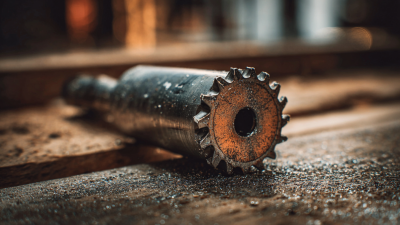
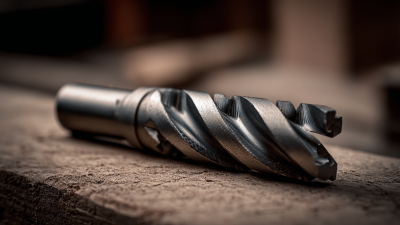
Metal hole cutters are rotary tools designed to create clean, round openings in sheet metal, tubing, panels, and structural sections. Unlike ordinary twist drills, they remove a ring of material instead of producing a full spiral of waste. A typical cutter includes a toothed crown, an arbor, and a pilot drill that guides the cut. The cutter size determines the final hole diameter.

Choosing the correct cutter depends on the metal, thickness, and machine speed. Bi-metal teeth suit mild steel and aluminum for general workshop work. Carbide-tipped cutters handle tougher alloys and repeated production cuts, but they need steadier handling. I have found that thin stainless steel requires patience, suitable cutting fluid, and controlled pressure. The edge can overheat quickly. Keep it steady.

Clamp the workpiece before cutting, especially when using a handheld drill. Mark the center with a punch, then let the pilot drill establish the path. Use a lower speed for larger diameters and harder metals. Cutting fluid reduces friction and helps protect the teeth. Wear eye protection, secure loose clothing, and wait until the cutter stops before clearing chips. Measure twice. I once selected a cutter by diameter alone and ignored material thickness; the result was excessive vibration and a rough hole. That mistake still influences how I check tools before each job.

China Top 10 Metal Hole Cutter Manufacturers? - What Are Metal Hole Cutters and How Are They Used?

Metal hole cutters are annular cutting tools designed to remove a circular section from metal while producing a clean hole. The table below compares ten commonly used metal hole cutter categories by construction, material, operating method, and typical application.

No. Metal Hole Cutter Type Typical Cutting Material Common Workpiece Materials Typical Diameter Range Recommended Machine Main Advantages Typical Applications Operating Considerations
1 Bi-Metal Hole Saw High-speed steel teeth welded to a flexible alloy-steel body Mild steel, stainless steel, aluminum, copper, brass, and plastics Approximately 14–210 mm Hand drill, bench drill, or magnetic drill with a suitable arbor Versatile, cost-effective, and resistant to tooth breakage Electrical conduit openings, plumbing penetrations, sheet-metal work, and general fabrication Use moderate pressure, secure the workpiece, and apply cutting fluid when cutting metal
2 Carbide-Tipped Hole Saw Carbide teeth or carbide-grit cutting edges Stainless steel, cast iron, hardened sheet metal, tile, and composite materials Approximately 16–152 mm Hand drill, rotary drill, or drill press Longer edge life and faster cutting in abrasive or difficult materials HVAC installation, industrial maintenance, stainless-steel panels, and mixed-material cutting Requires a rigid setup; excessive lateral movement can chip carbide cutting edges
3 High-Speed Steel Annular Cutter Solid high-speed steel with a ring-shaped cutting edge Mild steel, structural steel, and low-alloy steel Approximately 12–60 mm Magnetic drilling machine or annular cutter drill Produces a clean hole with less material removal than a twist drill Steel beams, plates, bridges, towers, and structural fabrication Use the correct pilot pin, cutting lubricant, and steady feed rate
4 Carbide-Tipped Annular Cutter Carbide-tipped teeth mounted on a steel cutter body Stainless steel, hardened steel, cast iron, and difficult alloys Approximately 14–100 mm Magnetic drill, production drill, or rigid milling machine High cutting speed, good wear resistance, and effective performance on hard metals Heavy fabrication, industrial installation, rail components, and production work Needs stable alignment, sufficient coolant, and a machine with adequate spindle rigidity
5 Deep-Cut Hole Saw Bi-metal or carbide-tipped teeth with an extended cutting depth Steel tubing, stainless steel, aluminum, wood, and layered materials Approximately 20–152 mm Hand drill, drill press, or magnetic drill Suitable for thicker sections and multiple-layer assemblies Pipework, square tubing, sandwich panels, and thick fabrication sections Clear chips frequently to prevent heat buildup and binding inside the cut
6 Adjustable Metal Hole Cutter Replaceable high-speed steel or carbide cutting blade Thin steel, aluminum, copper, brass, and non-ferrous sheet metal Usually approximately 25–120 mm Drill press or low-speed hand drill with controlled feed One tool can produce multiple hole diameters Electrical cabinets, ventilation ducts, control panels, and custom sheet-metal work Blade position must be locked securely; it is less suitable for high-speed production
7 Thin-Wall Hole Saw Fine-pitch high-speed steel or carbide cutting edge Thin stainless steel, mild-steel sheet, aluminum, and brass Approximately 16–100 mm Hand drill, drill press, or portable magnetic drill Creates clean openings with limited burr formation in thin materials Enclosures, vehicle panels, appliance panels, and instrument plates Use light feed pressure and prevent the cutter from catching as it breaks through
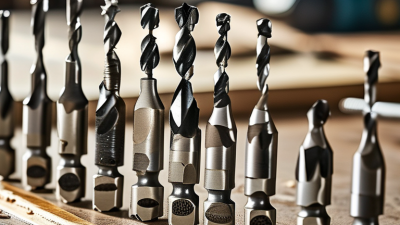
8 Step Hole Cutter High-speed steel with stepped conical cutting sections Thin sheet steel, stainless steel, aluminum, and plastic-coated panels Commonly approximately 4–39 mm Hand drill or drill press Creates several hole sizes with one tool and often reduces the need for pilot drilling Electrical installation, control boxes, cable glands, and sheet-metal assembly Designed mainly for thin materials; do not use it for deep or thick solid sections
9 Grit-Edge Hole Saw Diamond or carbide abrasive grit bonded to the cutting rim Hardened steel, cast iron, composites, ceramic-coated materials, and abrasive laminates Approximately 20–120 mm Low-speed drill, drill press, or specialized cutting equipment Useful where conventional teeth may wear quickly or snag the workpiece Specialized maintenance, abrasive metal assemblies, and coated panels Use controlled speed, adequate cooling, and minimal side loading
10 Heavy-Duty TCT Core Cutter Tungsten-carbide-tipped teeth on a reinforced core cutter body Structural steel, stainless steel, cast iron, and high-strength steel Approximately 20–100 mm Magnetic drilling machine or industrial annular drilling system High productivity, stable cutting, and effective performance in heavy metal sections Plant construction, shipbuilding, steel erection, and large fabrication projects Requires a rigid machine, secure magnetic adhesion, proper coolant, and correct pilot-pin length

Selection note: Choose the cutter according to the workpiece material, wall thickness, required hole diameter, machine type, cutting speed, and cooling method. Always follow the tool manufacturer's operating instructions and wear suitable eye and hand protection.

How Were the Top 10 Chinese Manufacturers Selected?

How Were the Top 10 Chinese Manufacturers Selected?

The selection began with measurable evidence, not promotional claims. Grand View Research forecasts the global machine tools market to grow at about 5.7% annually through 2030. This growth increases demand for accurate and durable metal hole cutters. We compared manufacturers through product range, material knowledge, machining capacity, and quality records. Public export data from the International Trade Centre also helped verify overseas activity under HS 8207.50, covering drilling and boring tools.

Technical performance carried the greatest weight. We examined cutter materials, tooth geometry, coating options, shank accuracy, and stated tolerance levels. Manufacturers received higher scores when they supplied test reports, inspection records, and clear production specifications. ISO 9001 certification was treated as supporting evidence, not automatic proof of quality. The ISO Survey 2023 identifies China as one of the world’s largest bases for certified quality-management systems. Still, certification alone cannot reveal edge life.

Practical experience mattered too. We checked factory photographs, sample availability, response time, packaging details, and replacement policies. A cutter that looks excellent online may chatter during drilling. That happens. We also compared delivery capability, customization support, and communication with technical buyers. The method is useful, but not perfect. Public information can be outdated, and some capable factories disclose very little. Human review remained necessary when scores were close.

China Top 10 Metal Hole Cutter Manufacturers? — How Were the Top 10 Chinese Manufacturers Selected?

The ranking framework evaluates manufacturers using six practical criteria commonly used in industrial sourcing. Product quality and manufacturing capability receive the highest weights, followed by customization, compliance, delivery performance, and customer support. The weights total 100% and are applied consistently to each shortlisted manufacturer.

Evaluation weights: product quality and durability 25%, manufacturing capability 20%, product range and customization 18%, certifications and compliance 15%, delivery and supply reliability 12%, and technical support and service 10%.

Profiles of China’s Top 10 Metal Hole Cutter Manufacturers

China’s top ten metal hole cutter manufacturers differ in tooling depth, production scale, and quality control. This profile examines them through practical buying criteria. These include cutting speed, tooth durability, arbor accuracy, material traceability, and after-sales support. Factory experience matters here. A clean showroom cannot replace a controlled cutting test.

Factory experience matters here. A clean showroom cannot replace a controlled cutting test.

Manufacturer One focuses on bi-metal hole cutters for sheet steel and stainless steel.

Manufacturer Two develops carbide-tipped models for thicker plates.

Manufacturer Three serves industrial distributors with standard metric sizes.

Manufacturer Four emphasizes high-speed steel bodies and stable tooth geometry.

Manufacturer Five supplies private-label tools with flexible packaging options.

Manufacturer Six appears strongest in heat treatment and edge hardness control.

Manufacturer Seven offers compact kits for maintenance teams.

Manufacturer Eight targets fabrication workshops with reinforced arbors.

Manufacturer Nine combines automated production with manual inspection.

Manufacturer Ten provides custom sizes for machinery and construction applications.

Performance can vary between batches. That matters. Buyers should request sample cuts, hardness data, and runout measurements before placing large orders. A cutter that survives mild steel may struggle with hardened plate. Cooling method also changes results. Some suppliers explain this clearly; others provide vague promises. That weakness deserves attention. Reliable manufacturers normally document inspection points, replace defective tools fairly, and identify materials by production lot. Procurement teams should compare actual cutting footage, not only catalog claims. A short trial using the buyer’s own drill press often reveals more than polished specifications.

How Do These Manufacturers Compare in Quality and Capability?

China’s top metal hole cutter manufacturers differ less in appearance than in process control. Mordor Intelligence estimates the global metal cutting tools market will grow from about USD 82 billion in 2025 to over USD 108 billion by 2030. That growth raises pressure on suppliers to deliver repeatable performance, not only attractive prices. Strong factories typically use CNC grinding, controlled heat treatment, and inspection records for tooth geometry, hardness, and runout. A cutter that looks precise may still wander on stainless steel.

Capability becomes clearer during practical testing. Ask for cutting trials on mild steel, stainless steel, and aluminum. Check hole diameter, edge chipping, cutting time, and tooth wear after repeated cuts. Manufacturers with in-house coating, private tooling design, and batch traceability usually respond faster to demanding applications. The ISO Survey reports more than one million ISO 9001 certificates worldwide, but certification alone cannot prove cutting quality. It shows a management system, not a perfect product.

Some suppliers offer impressive customization yet lack stable consistency between batches. That matters. A 2024 Deloitte manufacturing outlook also highlights automation and data visibility as major competitiveness factors. Buyers should examine inspection frequency, calibration records, sample approval, and complaint response time. My own practical concern is simple: laboratory samples can hide production weaknesses. Ten cutters from one batch tell more than one polished sample. Price still matters, but replacement labor and damaged workpieces can quietly exceed the original saving.

What Should Buyers Consider Before Choosing a Manufacturer?

China Top 10 Metal Hole Cutter Manufacturers?

What Should Buyers Consider Before Choosing a Manufacturer?

Choosing a metal hole cutter manufacturer requires more than comparing online prices. Examine the factory’s production experience, machining equipment, and quality control process. Ask whether the cutter is made for stainless steel, mild steel, aluminum, or several materials. A suitable tooth design matters. So does the cutter’s wall thickness. Request material certificates for high-speed steel, carbide, or other cutting components. Reliable suppliers should explain hardness, coating options, and expected service life clearly.

Ask for samples before placing a large order. Test them on the actual metal thickness and drilling equipment used by your operators. Check cutting speed, hole accuracy, edge wear, vibration, and heat buildup. A cutter that performs well on a thin sheet may fail on a reinforced panel. Small details matter. Inspect the arbor fit and pilot drill alignment too. These parts can affect safety and productivity.

Factory audits can reveal useful details. Review inspection records, calibration dates, packaging methods, and worker training. Confirm production capacity, minimum order quantities, lead times, and replacement procedures in writing. Clear communication is also important when drawings change. A polished catalog is not proof of consistent quality. I have seen buyers focus too heavily on unit cost and overlook tool life. That decision often creates higher labor expenses later. Even careful evaluations can miss problems, so keep trial orders modest and record test results before expanding cooperation.