What is a Roll Lamination Machine and How Does It Work?
The Roll Lamination Machine is a critical tool in various industries. It significantly enhances production efficiency. According to a recent industry report, the laminating equipment market is projected to grow by 5.2% annually until 2026. This growth is driven by demand for better packaging solutions. Companies are investing in advanced machinery for competitive edges.
These machines use a series of rollers to bond materials. They are essential for producing high-quality laminated products. In sectors such as packaging and automotive, the use of roll lamination has become the norm. However, despite their advantages, some users report challenges related to maintenance and operation. This can impact overall production quality.
Laminating processes require precise adjustments and calibration. Suboptimal settings can lead to waste and inefficiencies. The industry still grapples with these complexities, which can affect profitability. Understanding how a Roll Lamination Machine works is crucial for optimizing its utility. This knowledge empowers manufacturers to tackle ongoing challenges.
Definition and Purpose of a Roll Lamination Machine
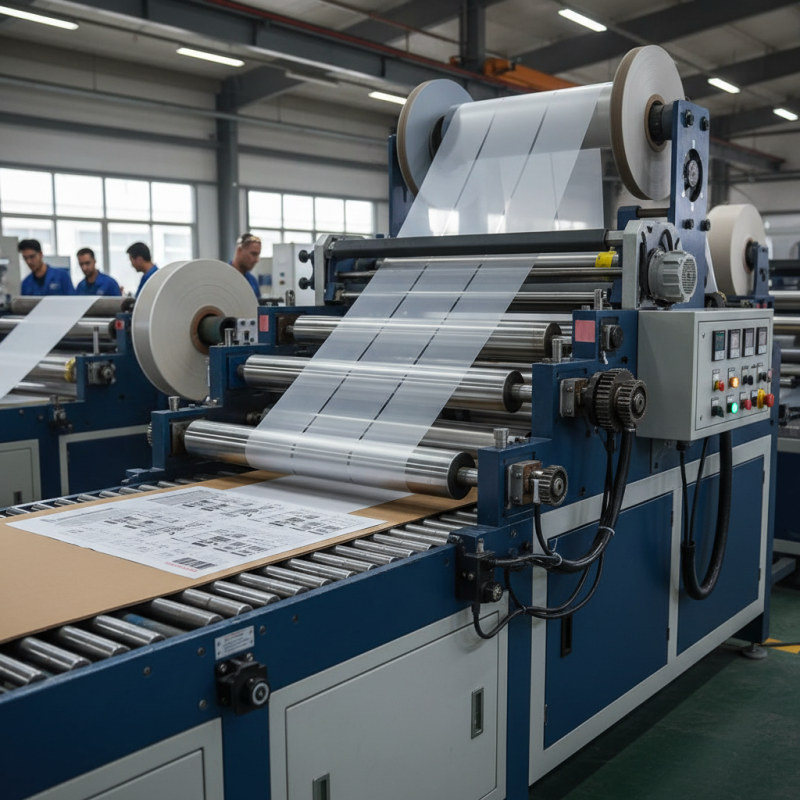
A roll lamination machine is an essential tool in various industries. It is primarily used to bond materials like plastic, paper, and metal together. The objective is to enhance the durability and appearance of a product. Laminating can protect against damage and wear. It is particularly useful for documents and packaging.
The machine operates using a series of rollers. These rollers press the laminate onto the material, creating a strong bond. Heat and pressure work in conjunction to ensure the lamination is effective. This process can be adjusted for different thicknesses and material types. However, achieving the perfect lamination can be challenging. Sometimes, bubbles or wrinkles appear, indicating a need for better technique.
Operating the machine requires skill. Incorrect settings can lead to waste and frustration. On occasion, the laminate may not adhere properly, requiring further adjustments. This learning curve is crucial for optimal results. Mistakes often lead to improved methods and understanding. Operators should embrace the trial-and-error approach to refine their skills.
Key Components of Roll Lamination Machines and Their Functions
Roll lamination machines play an essential role in various industries. They laminate materials using heat and pressure. Understanding their key components helps in effective usage and maintenance.
The main component is the roller. It applies pressure on the material. Another crucial part is the heating element. This element melts the adhesive, ensuring a strong bond. The control panel allows operators to manage temperature and speed. An efficient machine needs careful operation of these components.
Tip: Always check the rollers for wear. Damaged rollers can lead to uneven laminations. Regular maintenance can save costs in the long run.
The cooling system is important too. It ensures that the laminated product sets properly. Some machines even have an automatic cut-off feature. This helps in avoiding overheating, which can damage materials.
Tip: Keeping the equipment clean prevents adhesive build-up. A clean machine runs smoother and lasts longer. Operators should establish a regular cleaning schedule.
Roll Lamination Machine Components and Their Functions
The Roll Lamination Process: Step-by-Step Breakdown
The roll lamination process involves layering materials to create a protective and durable finish. It begins with the preparation of the substrate, which can be paper, plastic, or other materials. The substrate must be clean and dry to ensure proper adhesion.
Next, the lamination films are rolled onto the substrate using a roll lamination machine. The machine applies heat and pressure, which allows the laminate to bond to the substrate. This step is crucial for achieving a smooth, bubble-free surface. Operators need to monitor the temperature closely. If it’s too high, the materials may warp. If it’s too low, adhesion might fail.
Tips: Always test your materials before full production. Use scrap pieces to check for adhesion quality. Keep an eye on the pressure settings; too much pressure can damage your substrate. Adjusting these variables can save time and material.
Lastly, cooling is important. After lamination, the finished product should cool down gradually. Rushing this step can result in warped edges. Quality control checks should be routine to catch imperfections early. Remember, the goal is not just to laminate, but to create a flawless end product. Regular maintenance of the machine is essential to prevent breakdowns and ensure consistent results.
Applications of Roll Lamination in Various Industries
Roll lamination is a widely used manufacturing process in various industries. It provides an efficient way to combine materials, enhancing their properties. Key sectors benefiting from this technology include automotive, electronics, and packaging. According to a recent report from the Global Laminating Machine Market, the market is projected to grow at a CAGR of 5.6% over the next five years.
In the automotive industry, roll lamination plays a vital role in producing soundproofing materials. These materials reduce cabin noise, enhancing passenger comfort. Reports indicate that lamination increases the durability of these components, leading to longer vehicle lifespans. In electronics, roll lamination is crucial for creating circuit boards with better insulation. This enhances device performance significantly. Although successful, companies often face challenges in ensuring consistent quality during the lamination process.
Tips: Always assess the material compatibility before starting a roll lamination project. Testing smaller samples can reveal potential issues. In packaging, roll lamination helps in creating barriers against moisture and oxygen. However, businesses must carefully monitor the lamination process to avoid defects that might lead to product recalls. Keeping machines well-maintained is essential for achieving optimal results. Regular maintenance can prevent costly downtime and ensure product quality remains high.
Market Trends and Innovations in Roll Lamination Technology
Roll lamination technology is rapidly evolving. The global market is showing an increasing demand for efficient and versatile machines. According to a recent report by Market Research Future, the roll lamination machine market is expected to grow at a CAGR of 5.2% from 2021 to 2028. This growth is driven by advancements in adhesive technologies and automation processes.
Innovation is key in this sector. Manufacturers are integrating smart technologies into machines. This enables real-time monitoring and adjustments during the lamination process. Additionally, eco-friendly materials are gaining traction. The need for sustainable production is prompting changes in how materials are sourced and used. In a recent study, 70% of industry leaders highlighted sustainability as a priority for future developments.
Despite these advancements, challenges remain. Some manufacturers struggle with integrating new technologies. Training workers to use advanced machines can be costly and time-consuming. Companies need to balance innovation with operational efficiency. Addressing these issues is crucial for future growth in roll lamination technology.