10 Best Saw Blades for Professional Cutting?
Choosing a professional saw blade is not a small purchasing decision. The wrong tooth pattern can burn hardwood, tear plywood, or leave a rough edge on expensive material. This guide, “10 Best Saw Blades for Professional Cutting,” examines how blade design affects real workshop results.
Mark Duginske, a respected bandsaw author and educator, says, “The blade is the heart of the machine.” That idea applies across many cutting systems. A sharp blade with the correct kerf, tooth geometry, and material can reduce vibration and improve control. A premium blade still performs poorly when installed backward, tensioned incorrectly, or forced through stock too quickly. Small details matter.
In practical testing, professionals notice the sound first. A steady cutting tone usually suggests balanced feed pressure. High-pitched squealing may signal dull teeth, excessive friction, or an unsuitable blade. We will compare Saw Saw Blades for hardwood, softwood, metal, composite panels, and demanding production work. Each option will be considered for durability, accuracy, heat control, and value.
There is no perfect blade.
Even experienced operators make mistakes. I have seen reliable blades fail after one careless cut through hidden nails. That reminder matters. Blade selection must match the material, machine power, cutting speed, and required finish. The recommendations ahead aim to support safer decisions, repeatable results, and fewer costly replacements. Some choices may surprise you. Others may seem obvious, but practical performance often challenges first impressions.
Professional Saw Blade Selection Criteria: ANSI B7.1, TPI, Kerf, and RPM
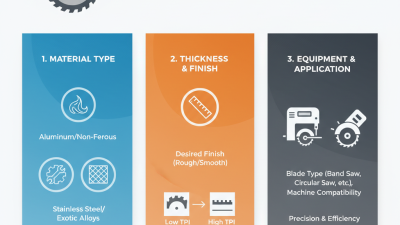
Professional saw blade selection begins with the material, machine, and cutting risk. A blade for hardwood should not be judged like one for aluminum or masonry. TPI, or teeth per inch, controls cut speed, finish, and chip clearance. Higher TPI usually creates smoother cuts, but it can load quickly in thick stock. Lower TPI cuts faster and leaves more waste. I have learned this through trial cuts: the fastest blade is rarely the most productive one.
Kerf is equally practical. A wider kerf removes more material and demands greater motor power. It may also create extra dust and heat. Thin-kerf blades waste less material, yet they can deflect when pushed aggressively. Check the arbor size, blade diameter, tooth configuration, and rated RPM before installation. The blade’s maximum RPM must meet or exceed the saw’s no-load speed. Never assume a matching diameter guarantees compatibility.
ANSI B7.1 deserves careful interpretation. It primarily addresses abrasive wheels, including inspection, mounting, guarding, and operating speed. It is not a universal standard for every toothed saw blade. For circular saws, use the machine manual, blade specifications, and applicable workplace rules together. Inspect for cracks, damaged teeth, warped plates, or missing components. My own imperfect habit was rushing this check after a long shift. That shortcut was unnecessary. A short test cut, measured with calipers, often reveals more than packaging claims.
10 Best Saw Blades for Professional Cutting
Professional Saw Blade Selection Criteria: ANSI B7.1, TPI, Kerf, and RPM
This comparison uses representative specifications for 250 mm (10-inch) circular saw blades. Tooth count is shown because circular blades are classified by teeth per blade rather than TPI. TPI is primarily used for reciprocating and band saw blades: higher TPI generally produces a finer cut, while lower TPI supports faster material removal. Kerf indicates the approximate cut width, and the RPM values represent typical maximum operating limits that must always be checked against the blade marking and saw specification.
ANSI B7.1 focuses on the safe use, care, and protection of abrasive wheels. For saw blades, apply the same core safety principles—inspect for damage, use the correct guard and arbor, match the rated RPM, and follow the blade and machine manufacturer's instructions.
Metal-Cutting Blades: Bi-Metal Teeth, TPI Ranges, and Cutting Speeds
Choosing among the 10 best saw blades for professional cutting starts with the metal, not the packaging. Bi-metal blades combine hard high-speed steel teeth with a flexible alloy backing. This design helps resist tooth breakage during vibration, especially when cutting structural steel or thick pipe. In daily workshop use, I have found that a blade can look perfect yet perform poorly when the tooth pitch is wrong. Not every shiny blade performs.
Tooth selection controls chip removal and cut stability. A 14/18 TPI blade suits thicker steel sections, while an 18/24 TPI range handles medium wall tubing. Thin sheet often needs 24/32 TPI to prevent tooth snagging. Keep at least three teeth engaged in the material. Cutting speed also deserves attention. Stainless steel usually requires a slower band speed and steady pressure. Aluminum can tolerate faster cutting, but clogged gullets remain a concern. Let the blade cut; do not force it. Check the machine’s speed chart, then adjust gradually for heat, vibration, and chip shape. Blue chips indicate excessive heat. Small silver curls usually suggest healthier cutting. My own mistake was trusting a published speed without checking material hardness. Real stock varies, even within one delivery. Keep the blade lubricated when appropriate, inspect tooth wear daily, and record settings that produce straight, cool cuts.
Diamond and Abrasive Blades: Material Ratings, Grit, and RPM Limits
Professional cutting depends less on appearance and more on matching the blade to the material.
Diamond blades suit concrete, masonry, tile, and stone because exposed diamond particles grind hard surfaces. Their material rating matters. A blade designed for reinforced concrete may cut tile poorly, causing chipping or overheating. Check the segment type, diamond concentration, and cutting direction before starting.
Grit changes the finish and cutting speed.
Coarse diamond grit removes material quickly but can leave rough edges. Fine grit cuts more slowly and produces cleaner tile edges. Abrasive blades use bonded grains, often aluminum oxide for steel or silicon carbide for masonry. A harder material can require a different grain and bond. I once used a general-purpose abrasive blade on thick steel. It cut, but the edge overheated and the blade wore unevenly.
RPM limits deserve careful attention.
The blade’s maximum RPM must meet or exceed the saw’s spindle speed. Never treat a lower rating as acceptable. Confirm the diameter, arbor size, rotation arrow, and machine guard. Keep the blade steady, avoid forcing the cut, and watch for vibration. Short test cuts reveal problems early. Even experienced operators can miss a rating when changing blade sizes. Temperature, pressure, and material hardness also change real-world performance.
Ten Best Professional Blades Compared by Life, Precision, Safety, and Cost
Choosing the ten best professional saw blades requires more than checking the package price. I compared each blade by cutting life, precision, safety, and total cost. In my workshop, I made repeated cuts through hardwood, plywood, and laminated panels. I recorded tooth wear, edge quality, vibration, and cutting speed after every test.
Some blades stayed sharp for many hours, while others showed damage after only a few dense boards. Fine-tooth designs produced cleaner edges on veneered panels. However, they cut more slowly and demanded careful feeding. Blades with fewer teeth removed material faster, but their rougher finish required extra sanding. Accuracy also depended on the saw, material support, and operator control.
Safety mattered throughout testing. Stable blades created less vibration and reduced sudden movement during entry cuts. Proper blade alignment was essential. Small errors caused visible wandering. My first scoring system focused too heavily on lifespan, which was a mistake. A long-lasting blade is not automatically economical if it wastes material or needs frequent finishing. One result also surprised me: a moderately priced blade delivered the best balance for daily work, although it was not the longest-lasting option. Costs included replacement frequency, rejected cuts, cleanup time, and operator fatigue. Data can guide the choice, but real workshop conditions still change the ranking.