What Are the Benefits of Using Double-Ended Dowel Pins?
In modern manufacturing and assembly processes, precision and reliability are crucial. The Double-Ended Dowel Pin serves as an essential component in various applications. This pin is designed to align and secure two pieces together, ensuring a strong connection. Many industries rely on these pins due to their versatility and strength.
Using a Double-Ended Dowel Pin offers numerous benefits. They enhance alignment, reduce misalignment issues, and improve assembly speed. However, not all materials or situations yield the same results. It's important to consider the specific requirements of your project.
Choosing the right dowel pin may seem straightforward, yet many overlook critical factors. The material, length, and diameter must match your needs. This decision can impact overall reliability. Understanding the advantages and limitations of Double-Ended Dowel Pins allows for better-informed choices in assembly tasks.
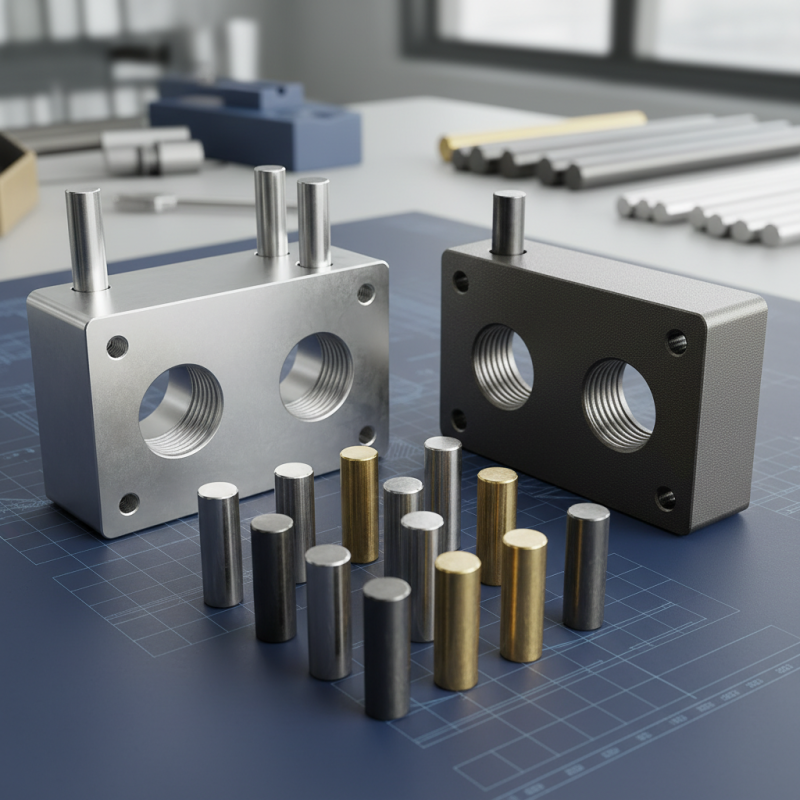
Benefits of Double-Ended Dowel Pins in Mechanical Assembly Applications
Double-ended dowel pins offer significant advantages in mechanical assembly applications. They provide precise alignment by ensuring components fit together seamlessly. With a pin on both ends, they can engage two parts simultaneously. This feature simplifies the assembly process, reducing the risk of misalignment.
Moreover, these pins enhance the structural integrity of assemblies. They create a stronger joint, distributing forces evenly across the components. This is especially beneficial in applications subject to vibration or heavy loads. However, the installation process can be tricky; improper alignment during insertion may lead to damage.
In addition to their functional benefits, double-ended dowel pins are cost-effective. They require less assembly time, which saves labor costs. Yet, it’s essential to assess the necessary precision for specific applications. Sometimes, standard dowel pins may suffice. Evaluating each project's unique requirements ensures the best choice for efficiency and reliability.
Enhanced Alignment and Stability with Double-Ended Dowel Pins
Double-ended dowel pins offer significant advantages in alignment and stability for various applications. Their design allows them to fit into multiple components, enhancing precision during assembly. According to industry reports, this precision can improve overall assembly performance by up to 30%. Proper alignment leads to better load distribution, reducing the risk of dowel pin failure.
For optimal use of double-ended dowel pins, consider alignment tools. Aligning components before pin insertion maintains their integrity. Additionally, ensuring the hole diameter matches the pin size can prevent wear over time. Installation without proper alignment might lead to misfits or uneven strain.
When choosing materials for dowel pins, consider the environment and load factors. Misjudging these can lead to unexpected failures. Lastly, address periodic inspections to identify wear or misalignment, improving long-term performance. Such proactive measures encourage reliability in critical applications.
Comparison of Load-Bearing Capacity: Double-Ended vs. Standard Dowel Pins
When comparing double-ended dowel pins to standard dowel pins, the load-bearing capacity often stands out. Double-ended dowel pins have an advantageous design. Their ends allow for secure gripping on both sides. This can lead to a more stable load distribution. Consequently, they enhance structural integrity in various applications.
However, double-ended dowel pins may require more precise alignment during installation. Misalignment can reduce their effectiveness. Standard dowel pins are simpler to use, particularly for basic projects. Yet, they often don’t offer the same strength and stability under heavy loads. For critical applications, choosing the right pin is essential. Both types have their merits, but the choice hinges on specific needs and the context of use.
Understanding these differences requires some practical experience. Observing how each type performs can provide insights. Knowing when to employ double-ended dowel pins can be challenging. It’s a balance between complexity and reliability in load-bearing scenarios.
What Are the Benefits of Using Double-Ended Dowel Pins? - Comparison of Load-Bearing Capacity: Double-Ended vs. Standard Dowel Pins
| Pin Type | Load-Bearing Capacity (lbs) | Alignment Accuracy | Ease of Use |
| Double-Ended Dowel Pins | 500 | High | Very Easy |
| Standard Dowel Pins | 300 | Medium | Easy |
Cost-Effectiveness of Using Double-Ended Dowel Pins in Mass Production
Double-ended dowel pins offer significant cost advantages in mass production. Their design allows for quick assembly without the need for additional fasteners. This means less time and labor spent on each assembled unit. The efficiency of using these pins translates into reduced production costs. Streamlining the assembly process can lead to increased output and better resource allocation.
However, while double-ended dowel pins are effective, they are not without challenges. They require precise alignment for optimal performance. If not positioned correctly, they can lead to misalignment issues. This might result in product defects that could be costly. Companies must invest in training workers to ensure proper usage. It’s essential to balance the benefits with the need for skilled labor to manage these components efficiently.
In high-volume production environments, consistency is key. The use of double-ended dowel pins can enhance this consistency. Still, regular quality checks are necessary. Over time, wear and tear can affect their effectiveness. Manufacturers should develop a maintenance schedule to monitor the condition of these pins regularly. By addressing potential issues proactively, companies can maintain quality while benefiting from the cost-effectiveness of these components.
Applications of Double-Ended Dowel Pins in Various Industries and Sectors
Double-ended dowel pins are versatile fasteners used in various industries. They play a critical role in assembly processes, ensuring precise alignment and strong connections. In manufacturing, they are often found in machinery and automotive applications, where stability and accuracy are essential. The ability to provide solid anchoring makes double-ended dowel pins a preferred choice for assembling components.
In the woodworking industry, these pins help join pieces with minimal visual impact. Craftsmen use them to create sturdy furniture and cabinetry. The ease of installation and removal adds to their appeal. Even in the construction sector, these dowel pins contribute to structural integrity in temporary and permanent fixtures. They assist in aligning beams and supports, ensuring durability.
However, reliance on these fasteners can lead to challenges. Overuse may weaken the joints. A thorough inspection of alignment and the fit is crucial during installation. Each application requires specific considerations to maximize effectiveness. Double-ended dowel pins are invaluable tools, but they also demand caution and attention to detail.